
Strong Hybrid vs Petrol: Running Cost Calculation & Breakeven Analysis
With petrol prices lingering around ₹100–105 per litre across major Indian cities, vehicle buyers face a crucial decision: pay a higher upfront premium for a Strong Hybrid car, or stick to a cheaper Standard Petrol (ICE) model?
Automakers like Toyota and Maruti Suzuki claim real-world fuel efficiencies exceeding 25–28 km/l for strong hybrids. But does the massive fuel saving offset the ₹2.5 Lakh to ₹3.5 Lakh price difference? At MotorBrief, we crunch the numbers with a detailed breakeven calculation to help you make a financially smart decision.
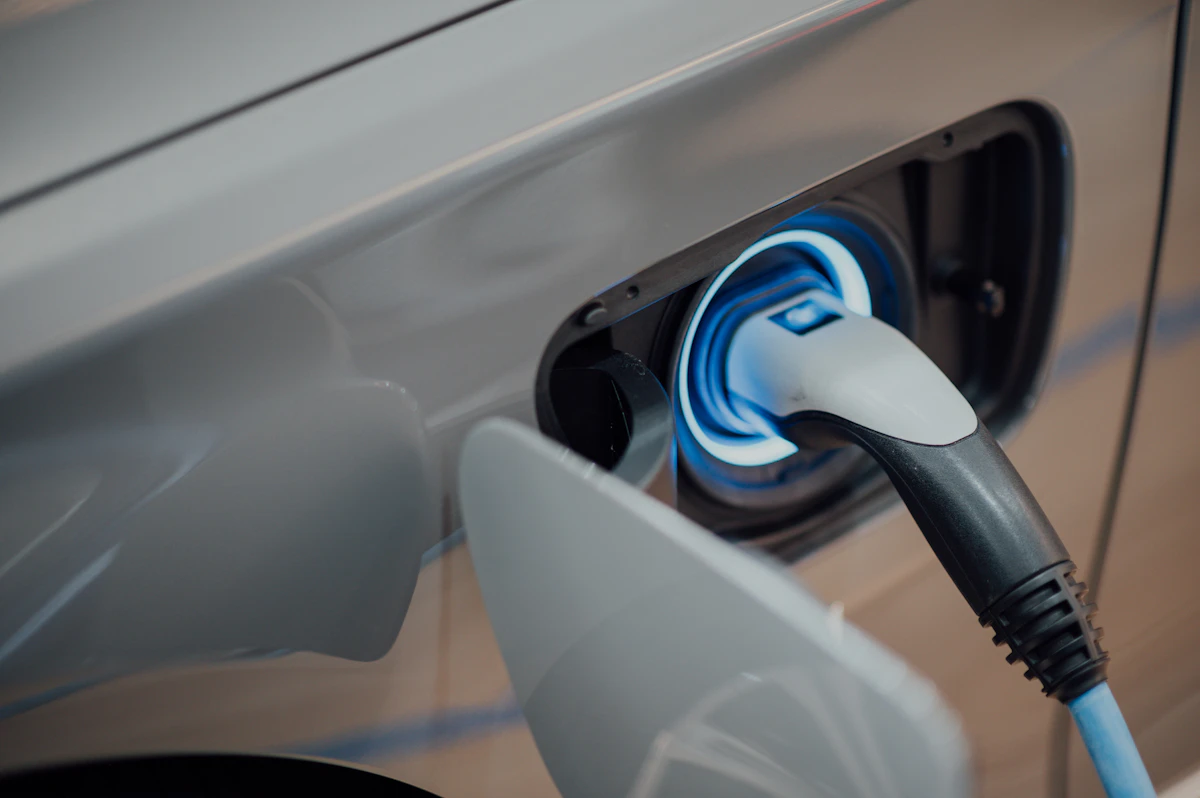
Featured Image: Strong hybrid vehicles deliver low running costs in city traffic without needing external plug-in charging. Photo source: Unsplash (Royalty-Free)
The Real-World Mileage Reality
Before jumping into the calculations, let us establish realistic average mileage numbers for mid-size SUVs and sedans (e.g., Grand Vitara, Hyryder, City Hybrid) based on combined city and highway driving:
- Standard Petrol (NA / Turbo-Petrol): ~12 km/l (City) | ~16 km/l (Highway) → Combined Average: 14 km/l
- Strong Hybrid (e-CVT Drivetrain): ~26 km/l (City) | ~22 km/l (Highway) → Combined Average: 24 km/l
Key Fact: Standard petrol engines burn extra fuel in bumper-to-bumper traffic, dropping efficiency to single digits. Strong hybrids perform at their absolute best in city stop-and-go traffic because the vehicle runs predominantly on its electric motor.
1. Per-Kilometer Cost Comparison
Assuming petrol costs an average of ₹100 per litre:
| Parameter | Standard Petrol Car | Strong Hybrid Car |
|---|---|---|
| Average Fuel Efficiency | 14 km/l | 24 km/l |
| Cost Per Kilometer | ₹100 / 14 = ₹7.14 / km | ₹100 / 24 = ₹4.16 / km |
| Savings per Kilometer | — | ₹2.98 saved per km (~₹3/km) |
2. Breakeven Timeline: When Do You Profit?
Assuming an average price gap of ₹2,700,000 (₹2.70 Lakh) between equivalent Petrol Automatic and Strong Hybrid variants:
| Annual Usage | Annual Fuel Cost (Petrol) | Annual Fuel Cost (Hybrid) | Annual Savings | Time to Breakeven |
|---|---|---|---|---|
| 10,000 km/year (Low) | ₹71,400 | ₹41,600 | ₹29,800 | ~9 Years |
| 18,000 km/year (Moderate) | ₹1,28,520 | ₹74,880 | ₹53,640 | ~5 Years |
| 25,000 km/year (High) | ₹1,78,500 | ₹1,04,000 | ₹74,500 | ~3.6 Years |
3. Beyond Fuel: Secondary Benefits of Hybrids
The decision to buy a hybrid goes beyond pure math. Consider these secondary advantages:
- Transmission Comfort: Strong hybrids come paired with e-CVT automatic transmissions, offering jerk-free acceleration without gearbox lag.
- Extended Driving Range: With a 45-litre petrol tank, a hybrid can achieve a total driving range of 950–1,000 km on a single tankful.
- Brake Pad Longevity: Regenerative braking reduces friction brake wear, prolonging brake pad and rotor lifespans.
- Higher Resale Retention: As emissions norms tighten, high-efficiency hybrid vehicles are expected to retain better resale value in the pre-owned market.
MotorBrief Verdict: Who Should Buy What?
Buy a Standard Petrol Car if: Your annual driving distance is less than 12,000 km. The upfront savings remain in your bank account, and the higher running cost will not significantly impact your annual budget.
Buy a Strong Hybrid Car if: You drive over 15,000 km annually, live in a metro city with heavy stop-and-go traffic, and plan to keep your car for 5+ years. You will recover the premium quickly while enjoying smooth automatic driving.
Stay tuned to MotorBrief.in for more fuel cost breakdowns, buyer guides, and automotive calculators!